The Research
Every article traces back to a named source. No exceptions.
All articles
The Science of Plastic
Why Nanoplastics in Drinking Water Are So Hard to Measure
Nanoplastics have been found in tap and bottled water, but the numbers are hard to trust. The real problem is measurement science, not just contamination.

The Science of Plastic
How Many Microplastics Are in Bottled Water? A New Count
A 2026 study counted up to 12,080 microplastic particles per liter of bottled water and showed they can slip inside human cells. Here is what the numbers mean.

Health & Optimization
Hydration and Athletic Performance: What The Research Shows
Not '8 glasses a day' and not 'drink as much as possible.' What the actual sports-science literature supports, including where it disagrees with itself.

The Science of Plastic
What 240,000 Microplastics Per Liter Actually Means For Your Body
The bottled-water stat gets quoted constantly. Here's where those particles actually go once you swallow them, and what's still genuinely unknown.

The Science of Plastic
How Many Microplastics Are in Bottled Water? What the Data Shows
Bottled water drinkers may ingest up to 90,000 more microplastic particles a year than tap drinkers. Here's what a 2025 review of 141 studies actually found.

The Science of Plastic
Can a Laser Spot Microplastics in Water in Real Time?
Lab methods can't test in the field. This sensor concept uses three laser-diode lines to screen microplastics in water—here's how it works, and its limits.

The Science of Plastic
How Reliable Is the Data on Microplastics in Drinking Water?
A WHO-led review scored 50 studies on microplastics in water. Only four passed every quality check — which is why exposure claims deserve caution.

The Science of Plastic
How Much Microplastic Is in Bottled Water? What One Study Found
A 2018 study tested 259 bottles across 11 brands and nine countries. 93% showed microplastic contamination — and the packaging itself appears to be a source.

The Science of Plastic
Nanoplastics in Bottled Water: What One Liter Actually Holds
A 2024 PNAS study counted about 240,000 plastic particles per liter of bottled water — and roughly 90% were nanoplastics too small for older methods to see.

The Science of Plastic
Plastic Particle Size Shapes Cell Damage in Fish Cell Lines
A 2026 study found plastic particles didn't kill fish cells outright, but 0.2 and 1 μm spheres slipped inside, triggering inflammation and oxidative stress.

The Science of Plastic
What Microplastics Do Inside the Human Body: The Cell Evidence
A 2024 review tracked microplastics from bottled water and food into human blood, placenta, and organoids—and found harm at everyday exposure levels.

The Science of Plastic
Do Flame Retardants Reach You Through Your Skin?
Brominated flame retardants aren't only ingested. Research shows skin contact with treated fabrics is a real, measurable exposure pathway worth understanding.

The Science of Plastic
Flavoured Water Had the Most Microplastics in This Study
A 2026 study tested bottled and tap water for microplastics. Flavoured water ranked highest, mineral water lowest, and children faced 3.6x the adult exposure.
The Science of Plastic
Microplastics in the Brain: What the Ingestion Evidence Shows
Plastic particles now appear in human brain tissue, more so in dementia patients. Here's what a 2025 review on ingestion and neurological risk proves—and what it

The Science of Plastic
Microplastics and Your Gut: How Plastic Disrupts the Microbiome
Microplastics build up in the gut and disrupt its bacterial balance. Here's what research reveals about dysbiosis, leaky gut, and the chronic-disease risks that
The Science of Plastic
Where Microplastics End Up in Your Body: What the Evidence Shows
Microplastics have been detected in human blood, placenta, and breastmilk. Here's what a 2023 review found about how they get in and what they may do.
The Science of Plastic
When Antibiotics and Cadmium Ride the Same Microplastic
A 2024 study on polyethylene microplastics reveals how cadmium and the antibiotic cephalexin compete and bind — and why the stomach makes it far more dangerous.
The Science of Plastic
How Microplastics Reach Your Body: Ingestion, Air, and Skin
Microplastics have moved from the ocean into the human diet. Here's what one 2023 review found about how they reach us and what they may do once inside.
The Science of Plastic
What Plastics Are Actually in Your Body? The Polymer Breakdown
A 2024 systematic review mapped microplastics in human tissue: polyester leads, fibres dominate, and the particles inside us are smaller than those we track in food.
The Science of Plastic
What's Actually in PVC Water Pipes — and Does It Reach You?
A federal ATSDR review traces the chemicals inside PVC drinking-water pipes. The headline finding: one plasticizer, DEHP, drives most of the risk — but it's nuanced.

Why Glass Matters
Glass vs. Stainless Steel: Which Bottle Is Actually Better?
What the material science actually says about leaching, insulation, and recyclability — and why the honest answer isn't simply 'glass wins.'

The Science of Plastic
When Microplastics Carry Cadmium: A Freshwater Crab Study
A 2026 study found microplastics and cadmium together stress freshwater crabs more than either alone — and that plastic type dictates which organ takes the hit.
The Science of Plastic
What's Actually in Your Water: Microplastics and Emerging Contaminants
A 2026 review maps how microplastics and unregulated chemicals reach drinking water, why treatment often just shifts them, and where the science stays uncertain.

The Science of Plastic
Microplastics in Tap Water: What a 2026 Review Found
A systematic review found microplastics in tap water in every study examined. Here's what the evidence reveals about exposure, who's most at risk, and its limits.

The Science of Plastic
Microplastics Cross the Placenta: What a 2026 Mouse Study Found
A new mouse study found polystyrene microplastics passed from mother to offspring via blood, disrupting blood cells and triggering oxidative stress in both.

The Science of Plastic
Microplastics Reach the Arctic — and Humans Bring Them
A 2023 study north of the Arctic Circle found microplastic in every water sample tested, and traced lake contamination directly to the nearest human settlement.
The Science of Plastic
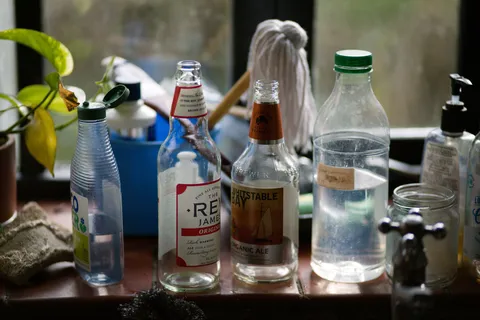
Does Bottled Water Have More Microplastics Than Tap?
A peer-reviewed review tracked microplastics in tap and bottled water. The gap is real—and where the particles come from is more surprising than the bottle itself.
The Science of Plastic
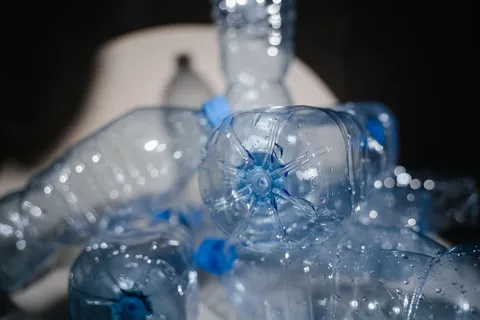
How Much Nanoplastic Do Bottled Water Habits Actually Deposit?
A 2026 model estimates how nanoplastics from single-use bottles build up in your tissues over a lifetime — and why heavy consumers face far higher exposure.

The Science of Plastic
Hot Cars and Bottled Water: How Storage Multiplies Plastic Release
Heat and shaking can boost nanoplastic release from PET water bottles more than nine-fold. How you store bottled water may matter as much as what's in it.

The Science of Plastic
Is Teflon Really Inert? What PTFE Particles Do to Gut Cells
New lab research shows PTFE (Teflon) micro- and nanoplastics enter human gut cells, triggering oxidative stress, mitochondrial harm, and DNA damage.
The Science of Plastic
Nanoplastics in Your Lungs: What a 2026 Cell Study Found
A new lab study found polystyrene nanoplastics affect lung cells differently — killing cancer cells while spurring healthy ones to migrate. Here's why it matters.
The Science of Plastic
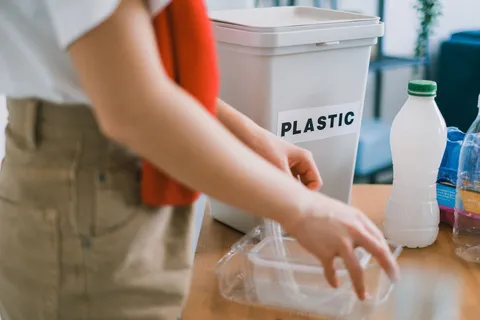
Microplastics Are Rewiring Your Gut Microbiome
A 2026 Gut Microbes review maps how microplastics reshape human gut bacteria—cutting butyrate producers and boosting pathobionts. Here's what the evidence shows.
The Science of Plastic
Microplastics and Osteoarthritis: An Emerging Joint Risk
A 2025 review ties microplastic exposure to osteoarthritis via inflammation and oxidative stress. Here's what the evidence shows—and where it falls short.

The Science of Plastic
When Sunlight Makes Plastic More Toxic: A Mussel Study
New research on the marine mussel Mytilus trossulus shows that UV-aged acrylic plastic (PMMA) damages cells and DNA more than fresh plastic. Here's what that means.

The Science of Plastic
Microplastics in Bottled and Tap Water: What We Can't Yet Measure
A CDC-authored review of 105 studies found microplastics everywhere in drinking water — and found something more unsettling: we still can't reliably measure them.

The Science of Plastic
What's in Rural Tap Water? 913 Microplastics a Year, One Study Finds
A 2025 study of 15 rural regions in Southwest China traced microplastics from source to tap — and found the pipes themselves can add plastic back to your glass.

The Science of Plastic
Microplastics in Soft Drinks and Ice Packs: What One Study Found
A 2025 study found roughly 183 microplastic particles per liter in carbonated soft drinks and 179 in ice packs. Here's what that means and where they come from.

The Science of Plastic
What a Systematic Review Says About Microplastics and Your Health
A 2024 systematic review graded the evidence and reached a cautious verdict: microplastics are 'suspected' to harm reproductive, digestive, and respiratory health.
The Science of Plastic
Microplastics in the Human Body: How They Get In and What They Do
A 2025 review traces micro- and nanoplastics from ingestion, inhalation, and skin into blood, lungs, and placenta. Here's what the evidence shows — and what it
The Science of Plastic
Microplastics in Spanish Bottled Water: What PET Bottles Reveal
A 2024 study found microplastics in Spain's top bottled waters far exceeded tap water levels — yet the real health risk may be smaller than headlines suggest.